
Pain Center
Knee Pain
Arthritis, tendon pain, and knees that still hurt after surgery, from the cartilage to the nerves that supply the joint.
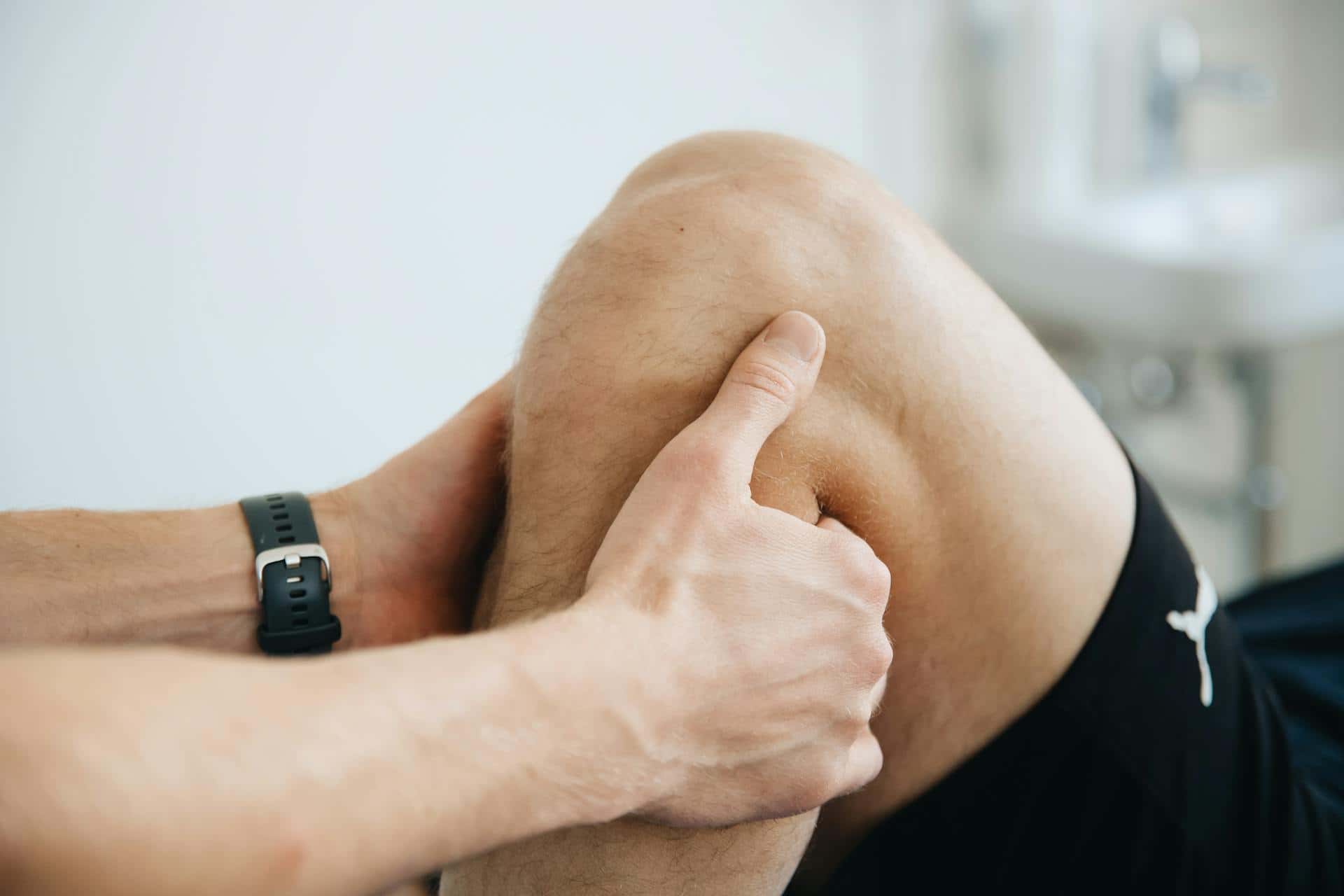
Overview
Understanding knee pain.
Most knee pain that reaches us has already been through the obvious steps — rest, anti-inflammatories, physical therapy, perhaps an injection or an arthroscopy. The question by then is not whether the knee hurts but what specifically is generating the pain, and whether anything useful sits between conservative care and joint replacement. Usually something does.
Osteoarthritis is the most common driver but not the only one. Patellar and quadriceps tendinopathy, persistent pain after meniscectomy or replacement, and sensitized genicular nerves all present as "knee pain" and respond to different things. We use image guidance for the injections that answer those questions, because an injection that misses its target answers nothing.
Common Symptoms
- Pain with stairs, squatting, or kneeling
- Swelling and stiffness
- Mechanical symptoms — clicking, catching, or giving way
- Pain after prolonged standing or walking
Common Causes
- Osteoarthritis
- Patellar tendinopathy
- Post-meniscectomy or post-surgical pain
- Genicular nerve sensitization
How we approach knee pain.
Diagnosis & workup
- History — what provokes the pain, whether the knee swells, and whether there are mechanical symptoms such as catching or giving way.
- Physical exam of the joint line, patellofemoral tracking, ligament stability, and gait.
- Weight-bearing X-rays as the first imaging step; MRI when soft-tissue pathology or a surgical question is in play.
- Image-guided diagnostic injection to separate intra-articular pain from surrounding tendon or bursa.
- Genicular nerve block when nerve-mediated knee pain is suspected — a positive response is what qualifies you for ablation.
When to see a specialist
- Knee pain past 6 weeks despite physical therapy and activity modification.
- Pain that limits stairs, standing, or walking the distances your day requires.
- Night pain, or swelling that keeps recurring.
- Persistent pain after arthroscopy or knee replacement.
- You have been told replacement is the only remaining option and want to know what else exists.
What to expect over time.
Genicular nerve ablation follows the same arc as radiofrequency ablation elsewhere: the procedure itself takes about 15 minutes, mild soreness settles over a few days, most patients return to light activity the next day, and full benefit is reached at about the 6-week mark. Relief commonly lasts 6 to 18 months and the procedure can be repeated. PRP works on a slower biological timeline — improvement builds over several weeks with continued improvement over the following months, there are no formal activity restrictions, and we ask you to stop NSAIDs for 7 days before. Steroid and hyaluronic acid injections act faster but for a shorter period. We will tell you honestly which of these fits your knee.
Direct answers — no jargon.
If your question isn’t here, ask us at your consultation.
- Yes, and it is much of what we do. Image-guided injections, PRP in mild-to-moderate disease, and genicular nerve ablation for moderate-to-severe arthritis can meaningfully reduce pain and delay replacement. For severe end-stage arthritis we will tell you when replacement is the better answer.
How we treat knee pain, differently.
A knee injection is only as good as its placement, so we use image guidance for every one — ultrasound or fluoroscopy depending on the target. That matters twice over here: it makes the therapeutic injections work, and it makes the diagnostic ones trustworthy, which is what determines whether ablation or PRP is worth doing at all.
Other conditions we treat.
See all conditionsJoint Pain
From shoulder to hip — image-guided care for the joints that move you.Learn moreHip Pain
From bursitis to osteoarthritis — image-guided care for the hip joint.Learn moreSports Injuries
Get back to your sport — with diagnostics and biologics that respect the timeline.Learn moreShoulder Injuries
Rotator cuff, labrum, and tendon issues — diagnosed precisely, treated thoughtfully.Learn moreMedically Reviewed
Reviewed by Edward Baumgartner Jr., MD · Last reviewed . Information on this page is not medical advice. Always consult your physician.
Ready When You Are
Get the care you deserve. Schedule your consultation today.
Two Houston-area locations. Same-week consults available. Most insurance accepted.