
Pain Center
Herniated Discs
When the soft inner disc material pushes through the outer wall and irritates a nerve.
Overview
Understanding herniated discs.
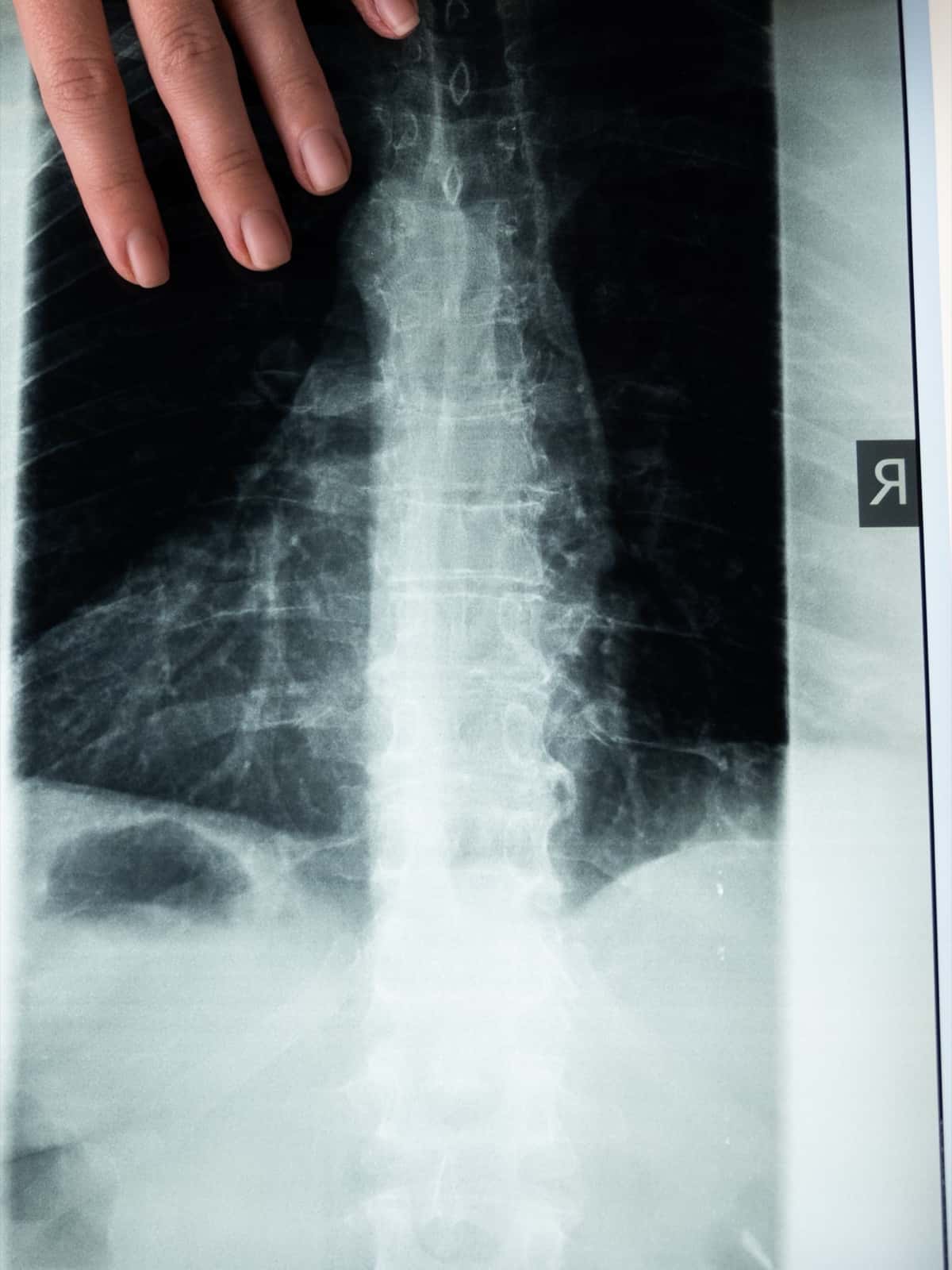
A herniated disc — sometimes called a slipped, bulging, or ruptured disc — happens when the gel-like nucleus of an intervertebral disc pushes through a tear in the outer annulus and contacts a nearby spinal nerve. The result is the classic cocktail of back pain plus radiating arm or leg pain, often with numbness, tingling, or weakness in the dermatome of the affected nerve.
Here is what most patients are not told: most disc herniations heal. Imaging studies of asymptomatic adults routinely show disc bulges and herniations on MRI. The body resorbs disc material over time, and the inflammatory response that drives the pain settles. The job of pain medicine is to manage symptoms and protect function during that healing window — not necessarily to operate.
When herniations do not resolve, or when they cause progressive neurologic deficits, we have a stepwise interventional toolkit. We start with the least invasive options that address the cause and reserve more involved procedures for cases that genuinely need them.
Common Symptoms
- Radiating pain into the arm or leg
- Numbness or tingling in a specific dermatome
- Weakness in muscles served by the affected nerve
- Pain worsened by certain positions or activities
Common Causes
- Age-related disc degeneration
- Lifting injury or sudden trauma
- Repetitive strain
- Genetic predisposition to disc disease
How we approach herniated discs.
Epidural Steroid Injections
Reduce nerve-root inflammation while the disc heals.
Learn moreSpinal Cord Stimulation
For persistent radicular pain after conservative care or surgery.
Learn moreMultimodal Plan
Combination of injections, therapy, and activity modification.
Diagnosis & workup
- Detailed history including pattern, severity, and dermatome of radiating symptoms.
- Focused neurologic exam — strength, sensation, reflexes, and gait.
- MRI of the affected spinal region as the primary imaging study.
- EMG/nerve conduction studies in selected cases of chronic or unclear radiculopathy.
- Selective nerve-root injection as a diagnostic tool when imaging shows multiple potential pain generators.
When to see a specialist
- Radicular pain (arm or leg) lasting more than 4–6 weeks.
- Progressive weakness or worsening numbness in an arm or leg.
- Pain that interferes with sleep, work, or core daily activities.
- Cervical disc herniation with arm symptoms — earlier referral often helps.
- Bowel or bladder symptoms with low-back pain — emergency, see immediately.
What to expect over time.
Most disc herniations improve over 6–12 weeks with a combination of targeted epidural injection (when appropriate), graded activity, and physical therapy focused on neutral-spine mechanics. Cervical herniations sometimes take longer. Progressive or significant motor deficits are an indication for prompt surgical evaluation, not a reason to wait. For patients whose radicular pain remains chronic and neuropathic after conservative care, injections, or surgery, spinal cord stimulation is a later-line option. We will give you a realistic timeline based on your imaging.
Direct answers — no jargon.
If your question isn’t here, ask us at your consultation.
- Most disc herniations resorb over 3–12 months as the body breaks down the displaced material. Symptoms usually improve well before imaging fully normalizes.
How we treat herniated discs, differently.
Imaging tells you where a disc has herniated; it does not tell you whether that disc is the source of your symptoms. Our diagnostic discipline — clinical exam, careful imaging review, and selective injections when needed — is what allows us to treat the right disc, in the right way, at the right time.
Other conditions we treat.
See all conditionsSciatica
Radiating leg pain from compression or irritation of the sciatic nerve.Learn moreBack Pain
The most common reason patients come to us — and where we have the most to offer.Learn moreNeck Pain
Precision care for the cervical spine — without rushing to surgery.Learn moreSpinal Stenosis
Narrowing of the spinal canal that compresses nerves and limits walking.Learn moreMedically Reviewed
Reviewed by Edward Baumgartner Jr., MD · Last reviewed . Information on this page is not medical advice. Always consult your physician.
Ready When You Are
Get the care you deserve. Schedule your consultation today.
Two Houston-area locations. Same-week consults available. Most insurance accepted.