
Pain Center
Hip Pain
From bursitis to osteoarthritis — image-guided care for the hip joint.
Overview
Understanding hip pain.
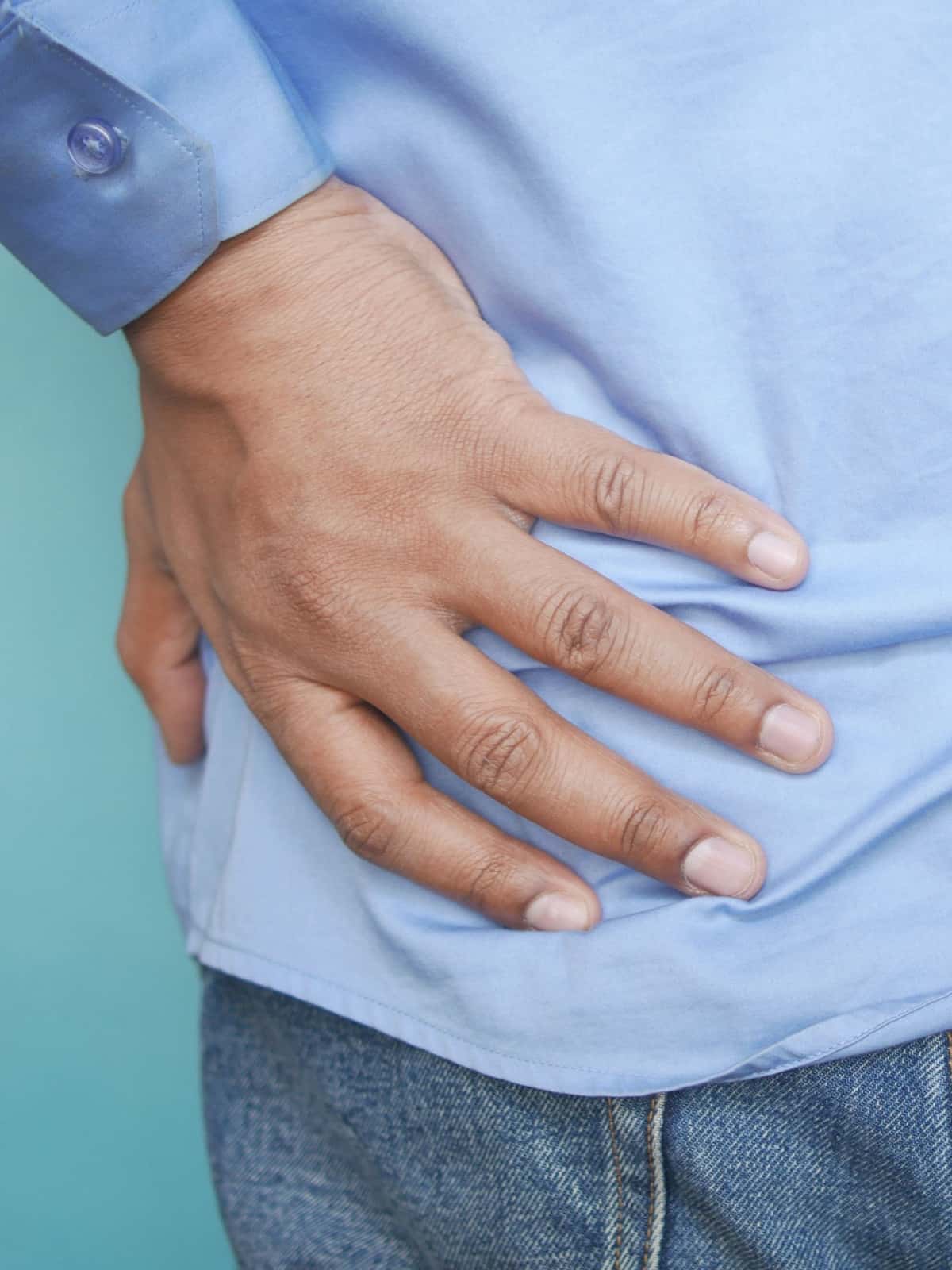
Hip pain is deceptively complex. The hip joint itself, the surrounding tendons (gluteal, iliopsoas), the bursa, and even the lumbar spine and SI joint all refer pain into the hip region. A single physical exam often cannot tell these apart with confidence — and that is why image-guided diagnostic injections are so valuable here.
Dr. Baumgartner takes a thoughtful approach to hip pain: figure out where the pain is actually coming from, treat that source with the least invasive tool that works, and coordinate with our orthopedic colleagues if and when surgery becomes the right answer. We are not in the business of doing the same injection over and over and hoping for a different result.
Common Symptoms
- Groin, lateral hip, or buttock pain
- Pain with weight-bearing, stairs, or rising from a chair
- Reduced range of motion or stiffness
- Night pain or sleep disturbance
Common Causes
- Hip osteoarthritis
- Greater trochanteric bursitis or gluteal tendinopathy
- Iliopsoas tendinopathy
- Referred pain from lumbar spine or SI joint
How we approach hip pain.
Image-Guided Hip Injections
Diagnostic and therapeutic for joint or bursa pain.
Learn morePRP Therapy
Biologic option for tendinopathy and select arthritis.
Learn moreRadiofrequency Ablation
Radiofrequency ablation of the articular branches of the hip (femoral and obturator articular branches) for moderate-severe hip OA.
Learn moreDiagnosis & workup
- Detailed history and pattern of pain — groin vs. lateral vs. buttock matters.
- Focused physical exam with provocative maneuvers (FABER, FADIR, gait, leg-length).
- X-ray as the first imaging step, with MRI for soft-tissue pathology when indicated.
- Image-guided diagnostic injection (intra-articular or peri-articular) to confirm the source.
- Coordination with orthopedic colleagues when imaging suggests structural pathology that may benefit from surgery.
When to see a specialist
- Hip pain not responding to 4–6 weeks of conservative care.
- Significant night pain or sleep disruption.
- Pain that limits walking, stairs, or rising from a chair.
- Multiple failed treatments at other practices.
- Hip pain after a fall or trauma in an older adult.
What to expect over time.
Recovery depends on the cause and treatment. Bursitis and tendinopathy often respond well to a single image-guided injection plus targeted physical therapy, with improvement over 4–8 weeks. PRP for tendinopathy works on a slower biological timeline — improvement builds over several weeks, with continued improvement over the following months. Hip osteoarthritis is managed with combinations of injection, RFA of the articular nerves, and lifestyle. We will give you a realistic timeline at consult.
Direct answers — no jargon.
If your question isn’t here, ask us at your consultation.
- Hip joint pain is typically felt in the groin, worse with weight-bearing and rotation. Lateral hip pain (over the bony prominence) is more often gluteal tendinopathy or trochanteric bursitis — different anatomy, different treatment.
How we treat hip pain, differently.
We use ultrasound for every hip injection — it is the only way to be sure you are in the bursa vs. the joint vs. the iliopsoas vs. extra-articular tissue. Many practices still inject the hip blind or with fluoroscopy alone. The accuracy difference is real, and it is one of the reasons our diagnostic injections actually answer the question they are asked.
Other conditions we treat.
See all conditionsJoint Pain
From shoulder to hip — image-guided care for the joints that move you.Learn moreKnee Pain
Arthritis, tendon pain, and knees that still hurt after surgery, from the cartilage to the nerves that supply the joint.Learn moreBack Pain
The most common reason patients come to us — and where we have the most to offer.Learn moreSports Injuries
Get back to your sport — with diagnostics and biologics that respect the timeline.Learn moreMedically Reviewed
Reviewed by Edward Baumgartner Jr., MD · Last reviewed . Information on this page is not medical advice. Always consult your physician.
Ready When You Are
Get the care you deserve. Schedule your consultation today.
Two Houston-area locations. Same-week consults available. Most insurance accepted.